
Uso de microhábitat por anuros en un fragmento de bosque seco intervenido del Magdalena medio, Guarinocito, Colombia
 Cristian Román-Palacios, Sara Fernández-Garzon, Jenny Johana Gallo-Franco, Alan Giraldo-Lopez, Monica Hernandez-Lopez, and Wilmar Bolivar-Garcia
Abstract
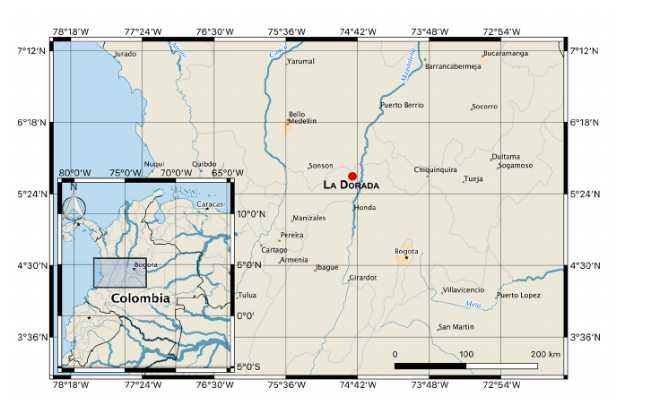
The anuran assemblages in three habitats (forest, lake and quarry) with different degrees of human disturbance present in a dry forest fragment in the Farm La Española, Guarinocito, Caldas, were compared. Extensive routes samplings were conducted using visual encounter surveys (VES), from which abundance and microhabitat use were recorded for each one of the species within the different habitats, and the record of environmental variables describing the sampling area such as temperature, relative humidity, and water ponds perimeter, was carried out. A total of 13 anurans species were found, among which Engystomops pustulosus recorded the most relative abundance with a catch rate of 5.16 individuals per hour. Significant differences were found in diversity between the studied habitats being lower in the forest where there were lower richness but better dominance. The rate of replacement of species between habitats was 71%, showing pond and quarry the greater similarity in anurofauna composition. The use of substrate by each species was different between habitats (χ2, p<0.05) and only two species (Leptodactylus fragilis and L. colombiensis) showed high variability in the modified habitats.